
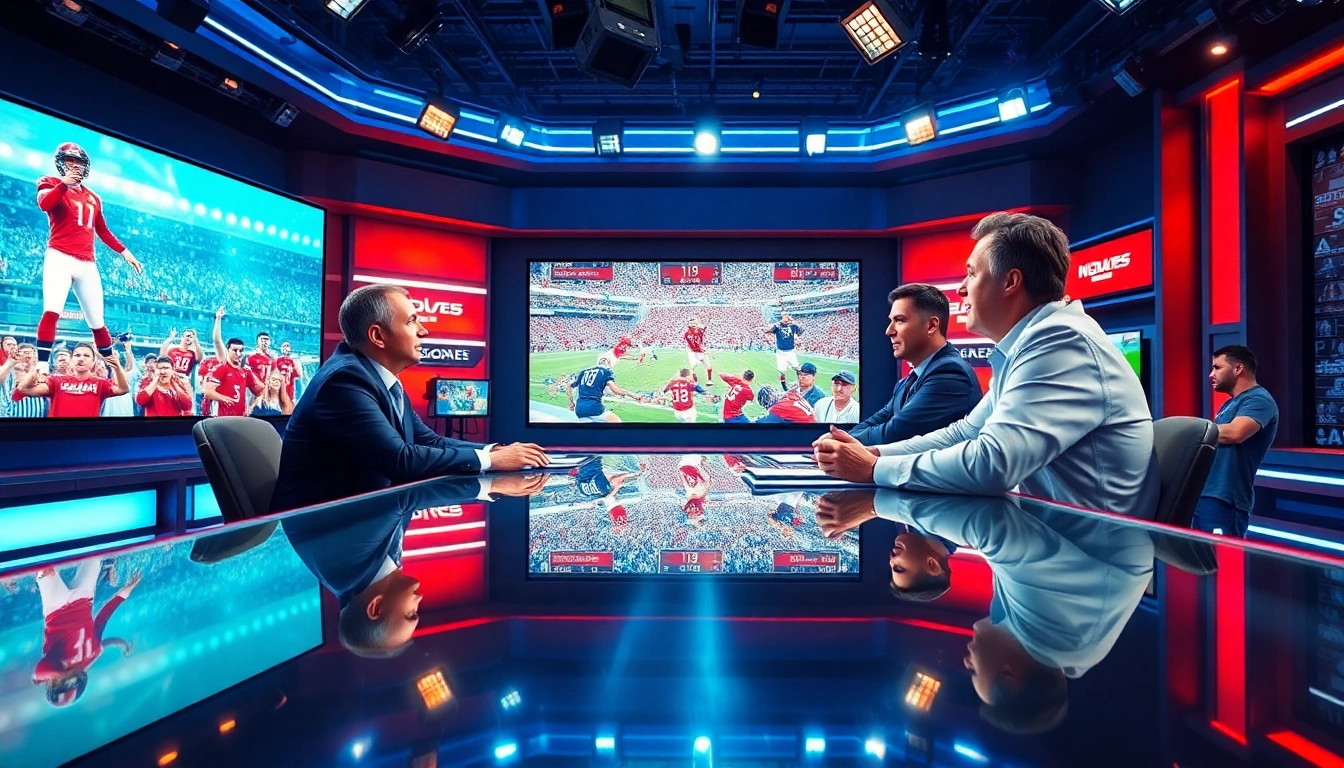
Introduction to Sports Broadcasting
Sports broadcasting has become an integral part of how audiences engage with their favorite athletic events. From live coverage of nail-biting finishes to detailed storytelling that highlights athletes’ journeys, Sports Broadcasting offers a dynamic platform for fans, players, and sponsors alike. In this article, we will explore the evolution of sports broadcasting, key elements contributing to successful broadcasts, and the importance of audience engagement in creating memorable experiences.
The Evolution of Sports Broadcasting
Sports broadcasting traces its origins back to the early 20th century, when radio broadcasts first brought thrilling sporting events into the homes of millions. The subsequent introduction of television revolutionized the industry, allowing visual narratives to complement the excitement of live events. Today, technological advancements have transformed how sports are experienced, from high-definition broadcasts to streaming services that cater to diverse audiences worldwide. Streaming platforms have particularly changed the game, enabling flexible viewing options and on-demand access.
Key Elements of a Successful Broadcast
A successful sports broadcast hinges on several key elements: storytelling, expert commentary, and visual presentation. Engaging narratives that encapsulate the context of games—highlighting rivalries, player backgrounds, and historical significance—forge an emotional connection with viewers. Expert commentary enhances the excitement and provides analysis that deepens understanding, elevating the experience from mere observation to informed enjoyment. Furthermore, stunning visuals, along with dynamic camera angles and replays, engage viewers and keep them invested in the action.
Understanding Audience Engagement
Effective audience engagement goes beyond mere viewership numbers. It involves understanding the diverse preferences of fans, utilizing social media platforms for interaction, and fostering a community around shared interests. High levels of engagement can be achieved through real-time polling, fan interaction elements during broadcasts, and the integration of user-generated content that allows fans to contribute and showcase their passion. By nurturing a sense of belonging, networks can create lifelong viewers and brand advocates.
Technical Aspects of Sports Broadcasting
Essential Equipment for Sports Broadcasting
Technical equipment forms the backbone of any sports broadcast, with cameras, microphones, and broadcasting software playing pivotal roles. High-definition cameras capture the intricacies of live gameplay, while advanced audio systems ensure clarity and immersion in sound. In addition, broadcasting control rooms equipped with powerful hardware and software facilitate real-time graphics generation and live editing capabilities, enhancing the overall production quality.
Utilizing Technology to Enhance Broadcasts
Recent technological innovations have paved the way for broadcasters to enhance viewer experience significantly. Techniques such as drone cameras provide unique aerial perspectives, while augmented reality (AR) graphics help explain complex plays and statistics in real time. Enhanced graphics packages allow broadcasters to create visually immersive environments that keep viewers informed and entertained throughout the broadcast.
Broadcasting Formats and Their Impact
Different broadcasting formats—traditional television, digital streams, and mobile apps—each offer distinct advantages and challenges. Television remains the go-to format for major live events due to its established infrastructure and audience reach. Digital streaming platforms, however, attract viewers seeking on-demand content and flexibility. Mobile apps provide real-time updates and highlights, catering to a generation on the go. Each format shapes the audience’s experience and reflects evolving consumer preferences, requiring broadcasters to adapt their strategies accordingly.
Challenges in Sports Broadcasting
Common Obstacles for Broadcasters
Despite the exciting nature of sports broadcasting, the industry faces numerous challenges. Technical glitches can disrupt broadcasts, while legal restrictions often limit what content can be shown. Additionally, rising costs associated with broadcasting rights can significantly impact budget allocations and profitability. Broadcasters need to navigate these obstacles while continuously delivering high-quality content to retain audience interest.
Managing Live Broadcast Errors
Live sports broadcasts are notoriously prone to errors, from unanticipated technical difficulties to miscommunication during commentary. To mitigate these issues, broadcasters employ extensive pre-production planning and thorough rehearsal processes. Developing contingency plans helps teams respond quickly to errors, minimizing viewers’ perception of disruption. Moreover, an engaging on-air personality can turn potential mishaps into memorable moments that resonate with audiences.
Adapting to Changing Regulations
The landscape of sports broadcasting is continually evolving, and broadcasters must adapt to new regulations that impact their operations. From copyright laws governing the use of footage to compliance with broadcast standards, staying informed about legal requirements is essential. Broadcasters must proactively adjust their strategies and technology to ensure compliance while continuing to deliver captivating content.
Best Practices for Effective Sports Broadcasting
Creating Compelling Narratives
Strong narratives create emotional depth in sports broadcasts, which can significantly enhance audience engagement. Broadcasters should focus on storytelling that highlights player backgrounds, team histories, and pivotal moments in games. Well-researched narratives that resonate with viewers not only elevate the viewing experience but also foster a deeper connection to the sport itself.
Building a Strong On-Air Presence
On-air personalities are critical in shaping the audience’s viewing experience. Building a strong on-air presence involves more than delivering commentary; it requires charisma, authenticity, and the ability to connect with viewers. Effective communicators can inspire passion for the sport and create an atmosphere that invites viewer participation, whether through social media engagement or live interactions.
Engaging with Viewers Beyond the Screen
Interaction with viewers beyond the broadcast is crucial in today’s digital landscape. Broadcasters should leverage social media to facilitate conversations and provide behind-the-scenes content that keeps fans engaged. Creating polls, Q&A sessions, and interactive content enhances viewer participation and cultivates a loyal fan base that feels involved and valued.
Future Trends in Sports Broadcasting
The Rise of Digital Platforms
The digital landscape continues to transform sports broadcasting, with increasing consumer demand for flexibility and accessibility. As audiences gravitate towards digital platforms, broadcasters must evolve their strategies to include streaming services, mobile connectivity, and social media engagement. The future of sports broadcasting will likely rely heavily on multi-platform strategies that cater to diverse viewing preferences.
Integration of Virtual and Augmented Reality
Virtual reality (VR) and augmented reality (AR) are at the forefront of technological advancements in sports broadcasting. By providing immersive viewing experiences, these technologies transform how fans interact with sports. From virtual stadium tours to interactive AR graphics during broadcasts, embracing these innovations can create captivating experiences that resonate with tech-savvy audiences and redefine how sports are consumed.
Shifts in Viewer Preferences and Behavior
As audience demographics evolve, so do viewer preferences and behavior. Younger audiences prefer curated highlights, quick updates, and engaging social media content over traditional long-form broadcasts. Broadcasters must adapt to this shift by offering tailored content that meets the demands of modern viewers, emphasizing flexibility, interaction, and engaging storytelling to stay relevant in an increasingly competitive market.
Frequently Asked Questions
What is sports broadcasting?
Sports broadcasting refers to the live or recorded transmission of sporting events through various media platforms, including television, radio, and online streaming. It’s designed to inform, entertain, and enhance the viewer’s experience.
How has technology impacted sports broadcasting?
Technology has revolutionized sports broadcasting with high-definition visuals, real-time analytics, AR, and VR technologies, enabling an enhanced viewing experience through innovative storytelling and audience interaction.
What are the challenges in sports broadcasting?
Challenges include technical difficulties, navigating legal regulations, and shifting audience preferences. Broadcasters must constantly adapt to maintain quality and viewer satisfaction.
How do broadcasters engage with their audience?
Engagement is achieved through interactive social media content, real-time polling, behind-the-scenes access, and personalized viewer experiences, fostering a community around the sport.
What trends are shaping the future of sports broadcasting?
Future trends include the rise of digital platforms, integration of VR and AR technologies, and the adaptation to shifting viewer preferences, which increasingly favor on-demand and flexible content.